The Challenge
CleanFreak, a commercial cleaning equipment retailer, needed to scale e-commerce revenue through Google Ads. Their previous PMAX setup, a single campaign with every product lumped together, was generating conversions but leaving money on the table. High-margin products weren't getting the budget they deserved, and there was no visibility into which product categories were actually driving revenue.
The goal: restructure Performance Max to maximize revenue by product line, not just total conversion volume.
The PMAX Strategy: Segmentation by Product Category
The biggest mistake with Performance Max is dumping every product into one campaign and hoping the algorithm figures it out. It won't, at least not efficiently.
We built segmented PMAX campaigns by product category: floor buffers, carpet machines, vacuums, scrubbers, and pressure washers. Each campaign had its own asset groups, audience signals, and budget allocation. This gave Google's algorithm clear signals about which products to show to which audiences.
The Results: $2.7M in Tracked Revenue
Over 12 months, the segmented PMAX structure drove $2.7 million in tracked conversion value:
- Carpet Machines: 81,046 clicks, 1,340 conversions, $782K in revenue
- Floor Buffers: 89,766 clicks, 1,604 conversions, $744K in revenue
- Branded Search: 9,759 clicks, 1,241 conversions, $519K in revenue (21x ROAS)
- General Products: 25,852 clicks, 377 conversions, $215K in revenue
- Vacuums: 6,002 clicks, 141 conversions, $81K in revenue
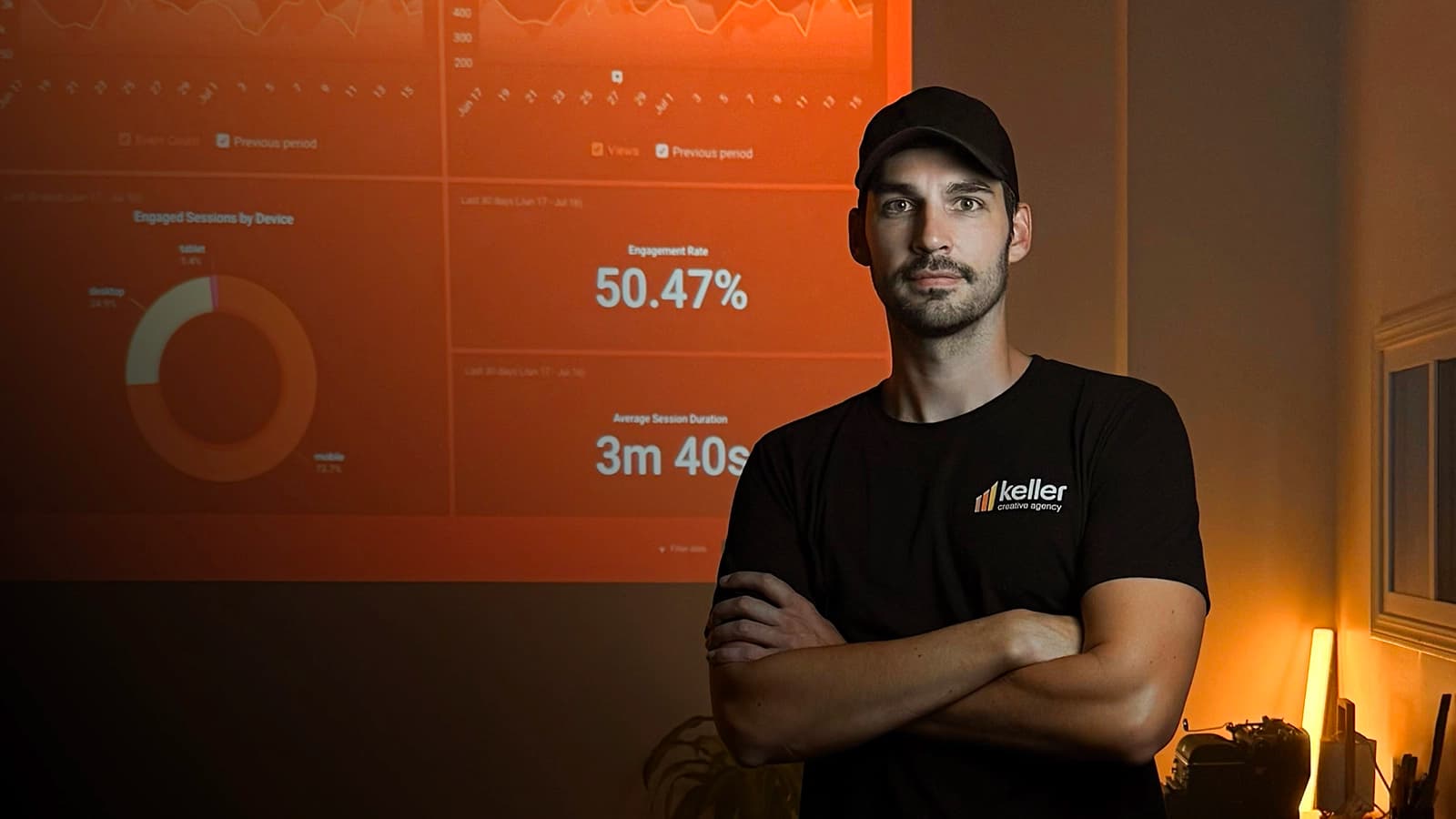
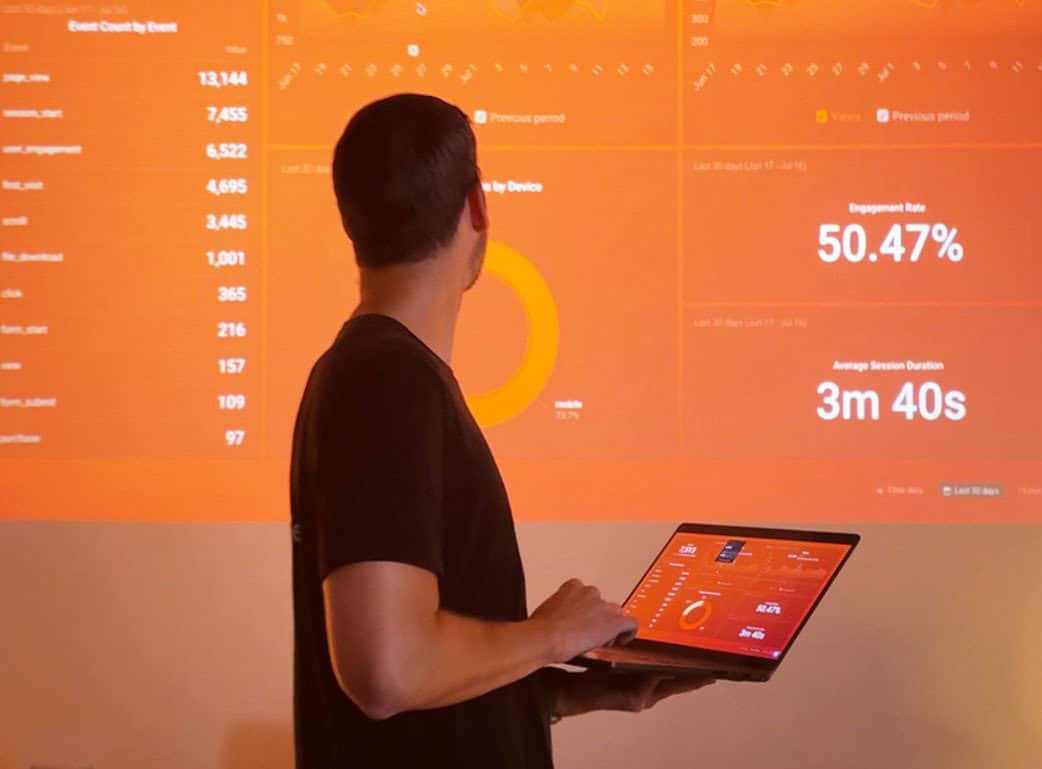
GA4 confirmed the results independently: 961,193 total sessions across all traffic sources and 5,991 tracked conversions over the same period.
Why Segmentation Outperformed a Single Campaign
Segmentation lets you control budget allocation by product margin, not just volume. Carpet machines and floor buffers are high-AOV products. We deliberately allocated more budget to those categories because each conversion was worth more.
A single campaign would have let the algorithm chase the cheapest conversions regardless of product value. Segmentation keeps you in control of which products get the spend.
The Role of Branded Search
Branded search was a critical complement to PMAX. The branded campaign alone drove $519K in conversion value at a CPC of just $2.44, a 21x return on ad spend.
The relationship is straightforward: PMAX builds awareness and consideration across Google's entire network. Branded search captures the demand that awareness creates. Running both together creates a feedback loop that compounds over time.
How We Measured Performance
PMAX reporting is notoriously opaque. Google doesn't break out performance by network or placement the way standard campaigns do. To get real clarity, we layered GA4 attribution on top of Google Ads reporting and built custom dashboards tracking:
- Revenue by product category
- Customer acquisition cost by campaign
- New vs. returning customer conversion rates
- Assisted conversion paths across campaigns
This dual-reporting approach confirmed that the paid campaigns were driving real, measurable site activity, not just inflated Google Ads numbers.
3 Things to Do Before Launching PMAX for E-Commerce
- Fix your product feed. PMAX pulls from your Merchant Center feed. If your titles, descriptions, and images are weak, the algorithm has nothing good to work with.
- Set up conversion tracking with value. Track purchases with dollar amounts, not just "add to cart" events. The algorithm optimizes for what you tell it matters.
- Segment by product margin. Don't let low-margin products eat the budget that should go to your best sellers.
Related Services